
Subtle motion in digital interfaces plays a critical role in how users perceive, interpret, and respond to feedback. While it may seem minimal or even ornamental, these slight movements carry significant cognitive and psychological weight, influencing user experience in ways that static elements cannot. The inclusion of subtle motion can provide clarity, reinforce actions, and enhance overall engagement, contributing to a more intuitive and satisfying interaction with software, games, and applications.
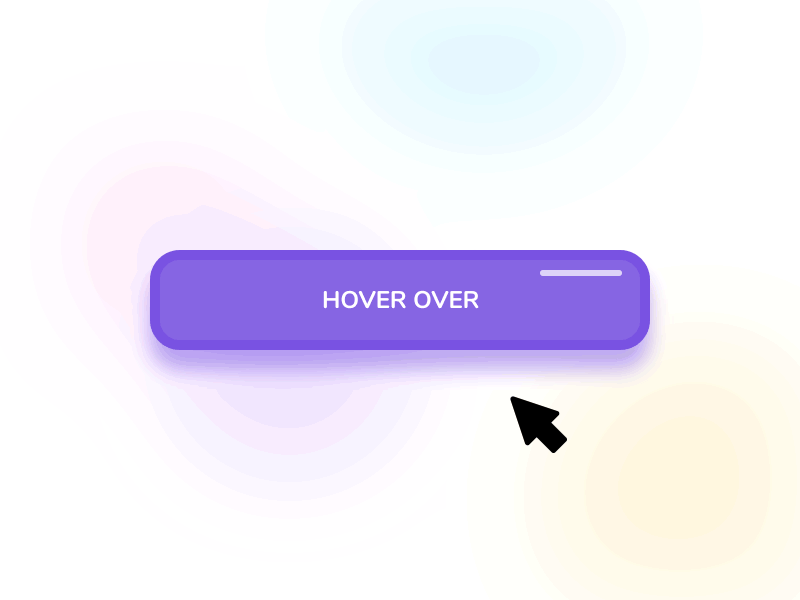
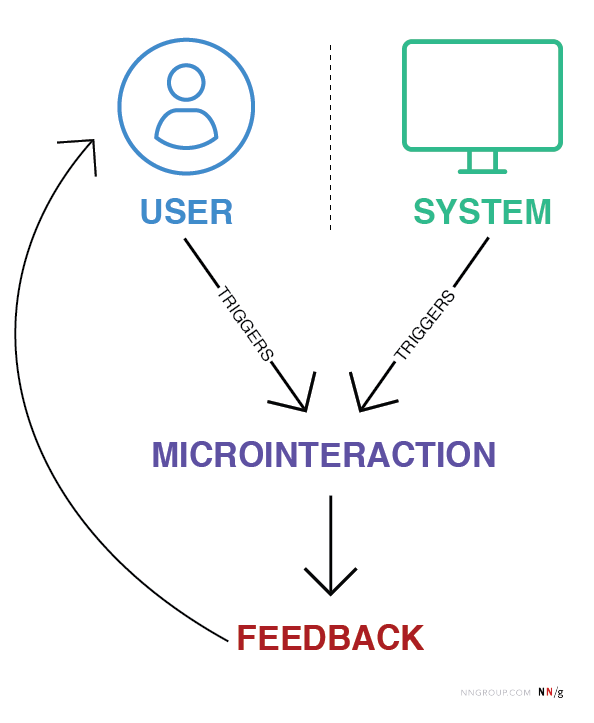
One primary function of subtle motion is to signal changes in state. When a button, icon, or interface element shifts slightly upon interaction, it immediately communicates to the user that their action has been acknowledged. This form of micro-feedback is instantaneous and non-intrusive, preventing confusion about whether a command has been executed. For instance, a slight bounce or scale effect when a button is pressed reassures the user without the need for a distracting alert or pop-up, allowing them to maintain focus on their ongoing task. The predictability and consistency of such movements reinforce trust, as users quickly learn what types of responses to expect from specific interactions.
Beyond acknowledgment, subtle motion helps guide attention efficiently. Human visual perception is highly sensitive to movement, even minimal shifts. Designers can leverage this sensitivity to draw focus to key changes or emerging content without resorting to jarring animations or heavy visual cues. A gentle slide, fade, or shimmer can direct the eye toward important notifications, updates, or interface transitions. This ensures that users notice relevant feedback naturally, reducing cognitive load and minimizing the effort required to track dynamic elements within the interface. By creating a visual hierarchy reinforced by motion, interfaces become more intuitive and easier to navigate.
The psychological impact of subtle motion extends to emotional engagement as well. Smooth, deliberate movements can make interactions feel more natural and alive, fostering a sense of connection between the user and the system. This dynamic feedback mimics physical interactions in the real world, where touch and response are inherently linked. For example, a subtle expansion of a menu or gentle ripple when selecting an option can evoke satisfaction and reinforce a sense of control. These small but meaningful animations communicate care and attention to detail, enhancing the perception of quality and reliability in the product.
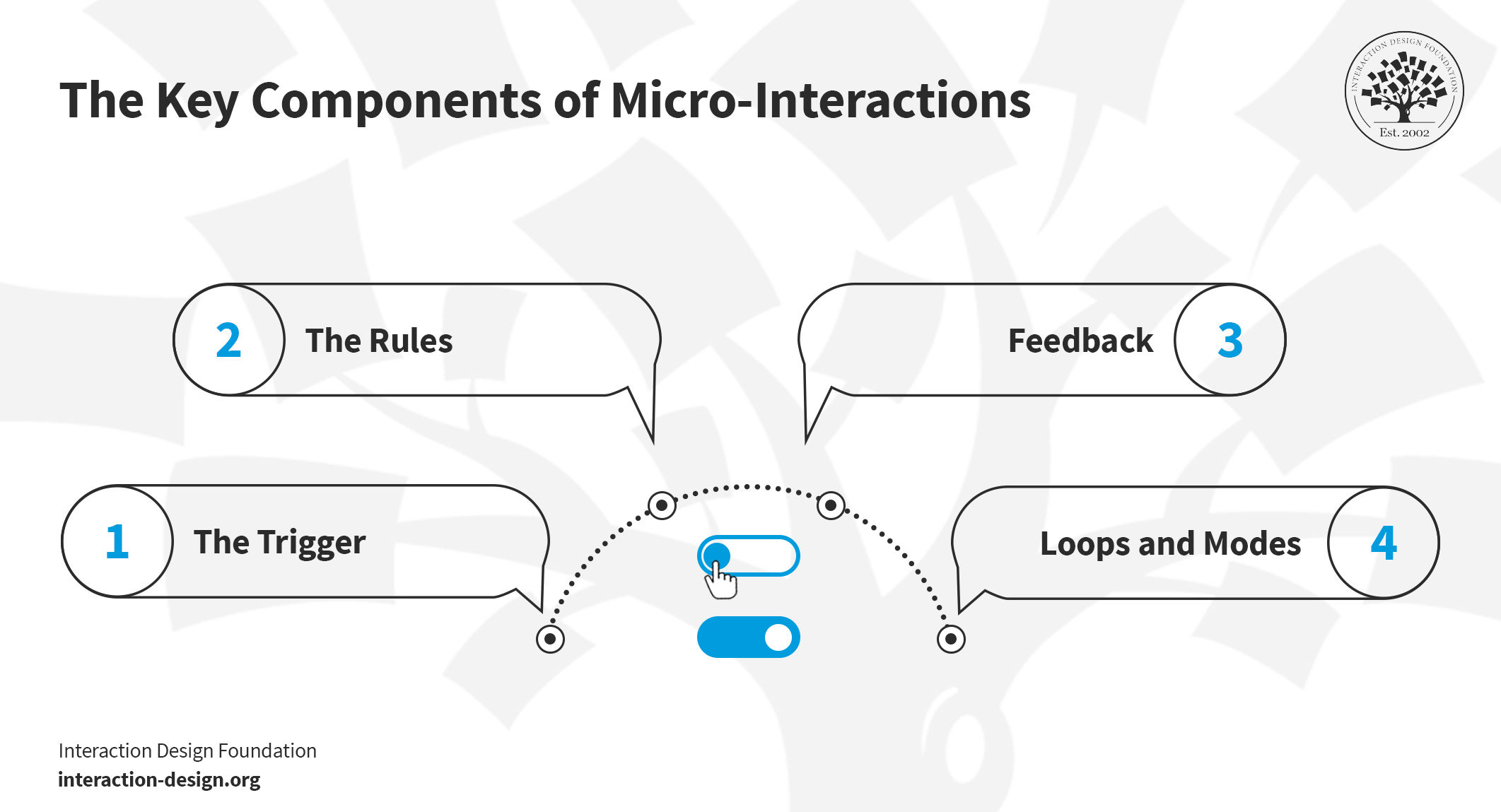
In contexts where precision and timing are critical, such as gaming or productivity tools, subtle motion can enhance performance by providing immediate and clear feedback. Users rely on visual cues to make split-second decisions, and even slight delays or ambiguities can result in errors or frustration. Micro-interactions, such as the soft glow of an activated button or a barely perceptible nudge of an object, signal success or failure quickly, allowing users to adjust their behavior accordingly. This form of non-verbal communication ensures that feedback is embedded directly within the flow of interaction, promoting efficiency and confidence in decision-making.
Consistency in motion design is equally important. Users form mental models of how interface elements behave, and subtle motion reinforces these expectations. If an element consistently reacts in a particular way to user input, the brain encodes this pattern, reducing the need for conscious interpretation. Over time, this creates a sense of fluency, where users navigate the interface almost instinctively. Inconsistent or unpredictable motion, on the other hand, can lead to confusion and diminish the effectiveness of feedback, highlighting the importance of coherent design principles in the use of animation and micro-movements.
Moreover, subtle motion can serve as a bridge between information and comprehension. For instance, when a notification appears with a gentle fade-in rather than an abrupt pop, users are more likely to notice and process it calmly, reducing the startle response and enhancing retention. Similarly, transitions between states, such as opening a modal window or expanding a dropdown, can be smoothed through motion, helping users understand the spatial and functional relationships between interface elements. This spatial continuity reinforces the mental map of the application, making feedback more meaningful and easier to integrate into ongoing tasks.
In accessibility-focused design, subtle motion can also improve feedback for users with diverse abilities. For individuals with cognitive or attentional differences, motion provides an additional sensory channel to convey information without overwhelming text or auditory cues. However, careful calibration is essential, as excessive movement may cause distraction or discomfort. Thoughtful use of subtle motion balances visibility with subtlety, ensuring that feedback is both perceivable and comfortable for a broad range of users.
The technical execution of subtle motion requires attention to timing, easing, and scale. Animations should be swift enough to communicate immediacy, yet smooth enough to avoid feeling abrupt or mechanical. Easing curves, such as gentle acceleration and deceleration, mimic natural movement patterns, reinforcing the perception of organic interaction. Scale and displacement must remain minimal to prevent visual clutter while still registering as an intentional cue. When executed well, these factors combine to produce micro-interactions that feel responsive, coherent, and inherently understandable.
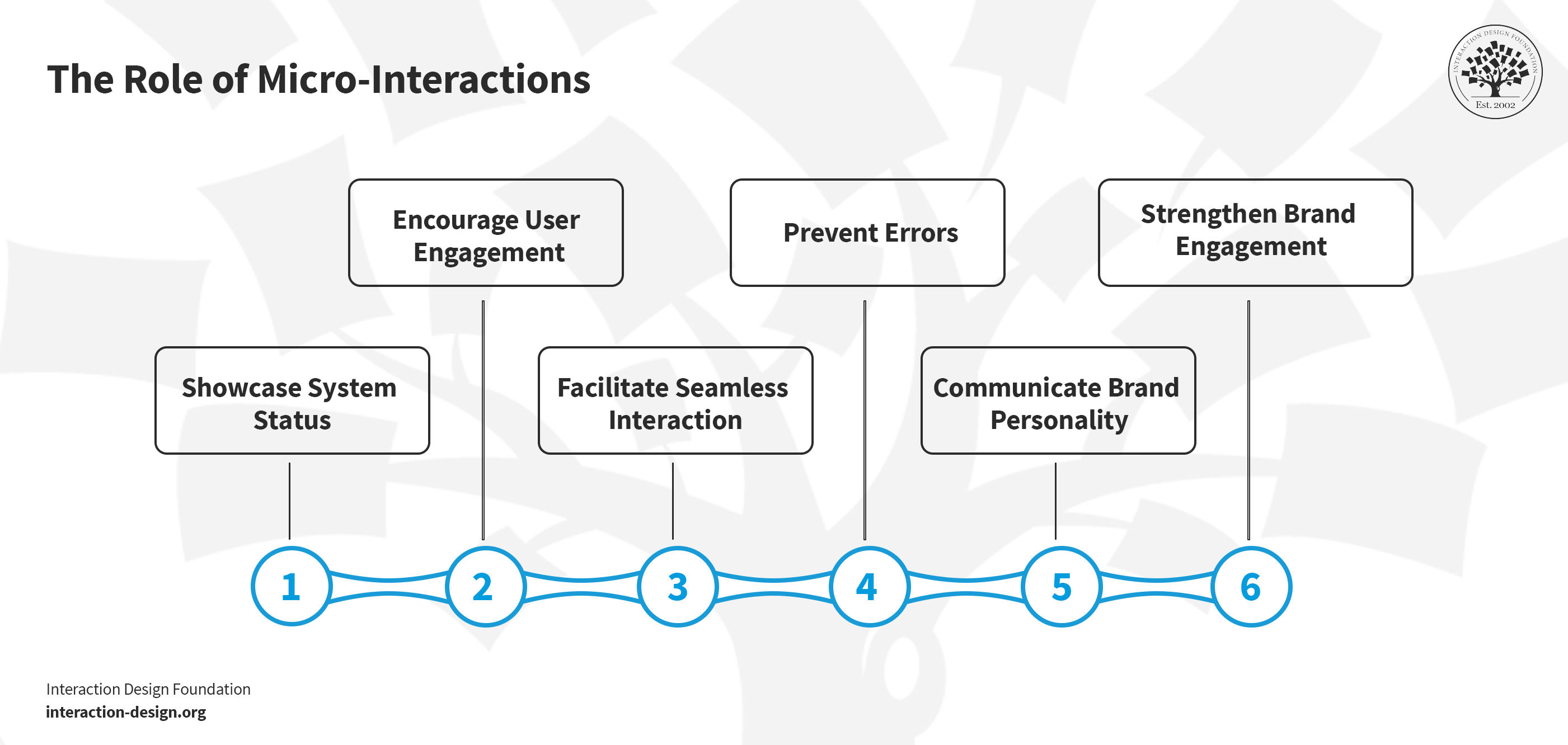
Subtle motion also has the potential to reduce frustration by preemptively clarifying system behavior. When a user performs an action, immediate motion-based feedback can indicate processing, acceptance, or completion without requiring explicit textual confirmation. This reduces uncertainty, maintains workflow momentum, and fosters a sense of control. Over time, users internalize these visual cues, further decreasing reliance on additional confirmation steps and making interactions more seamless.
In addition, subtle motion can enhance the overall aesthetic coherence of an interface. It can unify diverse elements under a consistent visual language, where movement patterns echo functional relationships and reinforce usability. This cohesion not only improves comprehension but also strengthens brand perception, as users associate fluid, well-considered interactions with professionalism and quality.
Ultimately, the power of subtle motion lies in its ability to communicate without words, integrate feedback seamlessly into the flow of interaction, and support both cognitive and emotional understanding. By acknowledging user actions, guiding attention, enhancing comprehension, and fostering engagement, even the slightest movement can dramatically improve the clarity and effectiveness of feedback. In modern digital design, where interfaces must be intuitive, responsive, and engaging, subtle motion is not merely decorative—it is an essential component of meaningful communication, shaping how users perceive and respond to the systems they interact with every day.


Leave a Reply